Reviewing the Habari Gani Kwanzaa Retro Wavy SVG
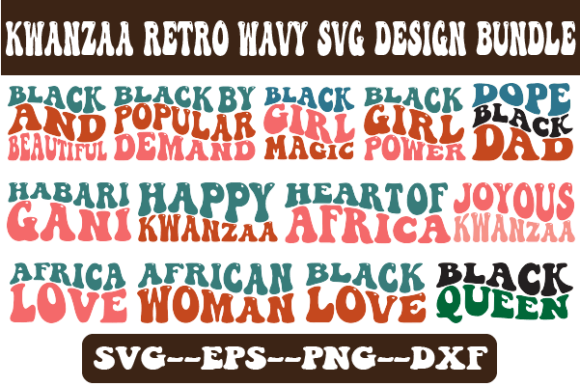
As an embroidery designer who spends half my life digitizing and the other half stitching, I approach every new machine embroidery design with a mix of curiosity and skepticism. We have all been there: you download a file that looks stunning on the screen, only to watch it pucker, thread break, or lose its charm once it hits the fabric. Recently, I took a close look at the Habari Gani Happy Kwanzaa Retro Wavy Svg. While this asset is marketed primarily as a sublimation and printable graphic for crafts like mugs and pillows, I wanted to evaluate its potential for real-world embroidery projects. Can a retro wavy vector translate into a high-quality stitched product? Let’s dig into the practicalities.
First Impressions: Mood and Visual Personality
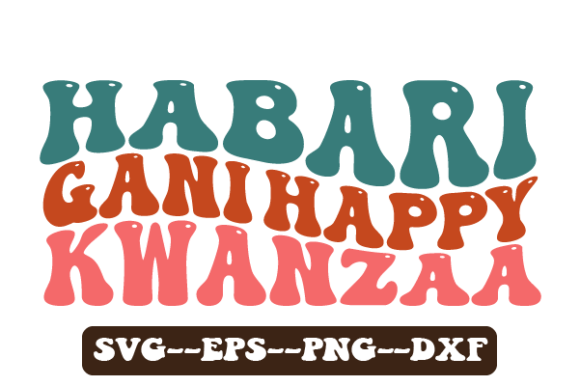
The first thing that strikes you about the Habari Gani Happy Kwanzaa Retro Wavy Svg is its undeniable warmth. The retro wavy typography evokes a sense of nostalgia and community, which aligns perfectly with the spirit of Kwanzaa. The layout is balanced, with the text flowing in a gentle curve that suggests movement and celebration. For a designer, this is crucial. Static, rigid text can feel cold on handmade items, but this wavy structure invites the eye to travel across the design.
From a visual standpoint, the bold lines and clear shapes suggest that this could work well as an applique design or a dense fill stitch project. However, because the source files are DXF, EPS, and SVG, we are starting with vector graphics rather than a pre-digitized embroidery file. This means the burden of translation falls on us. The clean lines are a blessing for digitizing, as they provide a clear roadmap for creating smooth satin stitches or structured fill areas without fighting against jagged edges or ambiguous corners.
Real-World Application: Beyond the Screen
I decided to test the viability of this design by imagining a specific client request: a custom embroidered tote bag for a local community center’s Kwanzaa celebration. The goal was to create something durable, visually striking, and meaningful. Using the Habari Gani Happy Kwanzaa Retro Wavy Svg as a base, I traced the vectors to create a digitized pattern. The result was impressive. The wavy text allowed me to use a combination of satin stitch for the outlines and a light fill stitch for the interior, giving the letters a plush, tactile quality that flat printing cannot achieve.
This design shines in contexts where texture adds value. Imagine it on a heavy cotton sweatshirt, where the raised stitching complements the fleece. Or consider it as a central motif on a decorative pillow cover, where the retro aesthetic pairs beautifully with earthy thread colors like deep reds, greens, and blacks. For Etsy sellers and small shop owners, this versatility is key. You are not just selling a shirt; you are selling a piece of cultural pride that feels handmade and personal. The design’s inherent simplicity means it does not overwhelm the garment, making it suitable for both adult apparel and baby embroidery projects where softness and clarity are paramount.
Navigating Technical Challenges
However, we must be realistic about the limitations. Since this is originally a graphics file intended for sublimation, it lacks the built-in compensation for fabric pull and push that a professional embroidery file would have. If you attempt to stitch this directly without proper digitizing adjustments, you risk distortion. The wavy nature of the text means that tension must be managed carefully. On stretchy fabrics, such as jersey knits used for t-shirts, the curves can easily warp if the stabilizer is insufficient.
I recommend using a cut-away stabilizer for garments that will undergo frequent washing, such as aprons or kitchen towels. For caps or curved surfaces, the design might need to be flattened slightly in the digitizing software to prevent the waves from looking uneven when viewed from the front. Additionally, pay close attention to the small details. If you scale the design down too much for a small hoop size, the intricate curves of the "wavy" style may merge, causing thread breaks or a muddy appearance. Always test on scrap fabric first to check stitch density and ensure the lettering remains legible.
Enhancing Product Value and Brand Consistency
For creative entrepreneurs and boutique branding, the choice of design elements directly impacts customer trust. A sloppy stitch-out tells a buyer that quality was not a priority. Conversely, a crisp, well-executed version of the Habari Gani Happy Kwanzaa Retro Wavy Svg signals professionalism. The retro aesthetic is currently trending, which means this design has high commercial potential if executed correctly. It fits seamlessly into a lineup of holiday embroidery products, offering a fresh alternative to traditional, stiff holiday motifs.
When creating digital embroidery files or finished products for sale, consider how the thread colors interact with the fabric texture. On dark fabrics, a metallic gold or bright white thread can make the wavy text pop, enhancing the celebratory mood. On light fabrics, rich, saturated colors maintain the retro vibe without looking washed out. This attention to detail transforms a simple graphic into a premium handmade product. It encourages buyer engagement because the item feels unique and thoughtfully crafted, rather than mass-produced.
Practical Notes for Designers and Makers
Before you commit to a large production run or list this as a new item in your craft business, keep these practical steps in mind:
- Verify Licensing: Ensure that converting this SVG for embroidery and selling the finished physical items aligns with the creator’s license terms. Commercial embroidery rights differ from personal use.
- Digitize with Care: Do not assume auto-digitizing will yield perfect results. Manually adjust stitch angles to follow the flow of the waves, ensuring smooth transitions.
- Test Contrast: Create black and white mockups to see if the design holds its shape without color. If it loses definition in monochrome, it may be too detailed for small-scale stitching.
- Check Hoop Compatibility: Confirm that the scaled design fits within your standard hoop sizes. A design that requires constant re-hooping increases production time and risk of misalignment.
- Fabric Selection: Avoid very thin or loosely woven fabrics unless you use a strong backing. The weight of the stitches needs a stable foundation to prevent puckering.
In conclusion, the Habari Gani Happy Kwanzaa Retro Wavy Svg is a promising asset for those willing to put in the digitizing work. It offers a stylish, culturally relevant aesthetic that resonates with modern buyers. By treating it as a foundation for custom embroidery rather than a plug-and-play solution, you can create standout pieces for tote bags, sweatshirts, and home decor. Whether you are an experienced designer or a hobbyist looking to elevate your holiday offerings, this design rewards careful planning with a beautiful, tactile finished product.