Reviewing Sweater Weather Winter Retro Wavy Svg for Stitching
As a designer who spends half my life digitizing and the other half stitching, I have learned that not every graphic translates well to thread. When I first pulled up Sweater Weather Winter Retro Wavy Svg, my immediate reaction was one of cautious optimism. The retro wavy aesthetic is undeniably trendy, evoking a cozy, nostalgic mood that fits perfectly with current winter fashion trends. However, seeing a vector on a screen is vastly different from watching a needle punch through fabric. My goal here is to evaluate this design not just as a digital asset, but as a viable component for real-world embroidery projects.
The Visual Personality and First Impressions
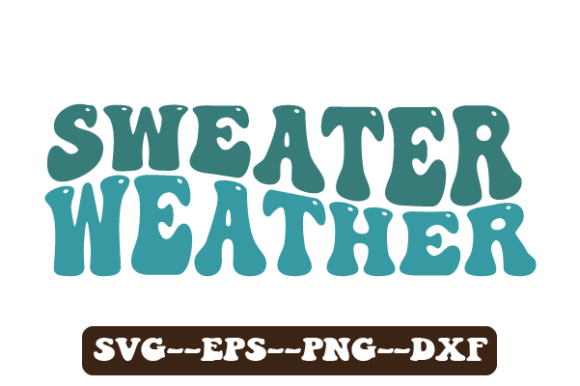
The design carries a distinct mid-century modern vibe, characterized by its fluid, undulating lines and bold, rounded typography. For those of us in the Crafts and Graphics space, we know that "retro" can sometimes mean cluttered or overly complex. Fortunately, this piece feels balanced. The waves provide movement without overwhelming the central text, creating a layout that breathes. This visual personality suggests it belongs on items meant to be felt as much as seen—think heavy cotton hoodies, chunky knit blankets, or structured tote bags where the texture of the fabric complements the smooth curves of the design.
When considering this for a machine embroidery design, the open spaces between the waves are crucial. They allow the base fabric to show through, which prevents the final product from feeling like a stiff plastic patch. This openness is essential for maintaining the drape of garments, especially in custom apparel like sweatshirts or t-shirts.
Real-World Application: A Case Study
To truly test the viability of Sweater Weather Winter Retro Wavy Svg, I imagined a specific client project: a limited-run holiday collection for a boutique coffee shop. The owner wanted branded tote bag design options that felt warm and inviting. I visualized this design stitched in a cream thread on a natural canvas tote. The contrast would be subtle yet legible, appealing to customers looking for a personalized gift that doesn’t scream "merchandise."
In this scenario, the design’s simplicity works in its favor. It stitches out quickly, reducing production time for the Etsy seller or small business owner. The retro waves act as a frame, drawing the eye to the center, which is ideal if you plan to add a small custom element later, such as a monogram or a date, turning a standard item into a unique embroidered patch style feature on a larger garment.
Technical Considerations for Embroiderers
While the aesthetic is strong, we must address the technical translation from SVG to stitch. The product description notes that you will receive DXF, EPS, and SVG files. It is critical to understand that these are vector graphics, not native embroidery files. As an experienced reviewer, I must advise that you cannot simply load an SVG into your embroidery machine. You will need to use digitizing software to convert these shapes into an embroidery file compatible with your machine.
During this conversion process, pay close attention to stitch density. The wavy lines suggest a potential for satin stitch borders, but if the waves are too thin, satin stitches may become unstable. You might need to opt for a running stitch or a narrow fill stitch to maintain integrity. Always test the design on scrap fabric first. This step is non-negotiable. Check how the threads interact with the fabric texture. On a fuzzy fleece, fine details might get lost, whereas on a smooth twill, the crispness of the retro lines will shine.
Navigating Fabric and Hoop Constraints
Where you place this design matters immensely. For sweatshirt embroidery, the chest area is prime real estate, but ensure your hoop size accommodates the full width of the waves without distortion. If you are attempting baby embroidery on a onesie, scale the design down carefully. Tiny lettering within the retro font can become illegible if reduced too far, and dense stitch areas on delicate baby fabric can cause puckering. In such cases, using a high-quality cut-away stabilizer is vital to support the stitches without adding bulk.
Be cautious with stretchy fabrics. The horizontal nature of the waves means that if the fabric stretches vertically, the design could distort. For caps or curved surfaces, the rigid structure of the waves might require additional stabilization or a simplified version of the design to prevent tunneling.
Enhancing Product Value and Brand Consistency
For the craft business owner, consistency is key to building trust. Sweater Weather Winter Retro Wavy Svg offers a versatile template that can be adapted across various products while maintaining a cohesive brand look. Imagine using the same wave motif on a pillow cover, a kitchen towel, and a tote bag. This repetition creates recognition. Customers begin to associate that specific retro wave with your brand’s quality and style.
Furthermore, the design’s adaptability supports diverse thread colors. A monochrome look using varying shades of blue can evoke a icy, winter feel, while warm oranges and browns can highlight the "sweater weather" coziness. This flexibility allows you to create multiple SKUs from a single design asset, maximizing your return on investment. Whether you are creating holiday embroidery gifts or year-round small shop product listings, the design remains relevant.
Final Verdict and Practical Advice
Is Sweater Weather Winter Retro Wavy Svg worth your time? Absolutely, but with caveats. It is a strong foundational graphic for designers who understand the bridge between vector art and thread. It is not a plug-and-play solution for beginners who expect an instant embroidery file. You must be prepared to digitize or commission the digitizing of these vectors.
Before launching any commercial embroidery project, confirm the licensing terms. Ensure that your use of the converted design aligns with the creator’s policies for selling finished items. Test extensively on different materials. Compare light and dark fabric backgrounds to ensure visibility. Use proper stabilizers to prevent distortion. By treating this SVG as a starting point rather than a final product, you can leverage its retro charm to create high-value, professional-looking goods that resonate with customers seeking warmth and style in their handmade items.
In the end, the success of this design lies in your execution. The waves are inviting, the mood is right, and the potential for finished product appeal is high. Just remember to respect the technical demands of embroidery, and this retro wavy design will serve your business well.