Reviewing You Won My Heart Retro Wavy Groovy SVG
As a designer who spends half my life staring at digitized files and the other half watching needles punch through fabric, I have learned that not every pretty graphic translates well to thread. When I first opened the You Won My Heart Retro Wavy Groovy SVG, my initial reaction was one of cautious optimism. The retro aesthetic is currently dominating the handmade market, but wavy, distorted typography can be a nightmare if the curves are too tight or the details too fine for standard embroidery machines. This review breaks down how this specific design holds up when moved from a digital screen to a tangible, stitched reality.
First Impressions and Visual Personality
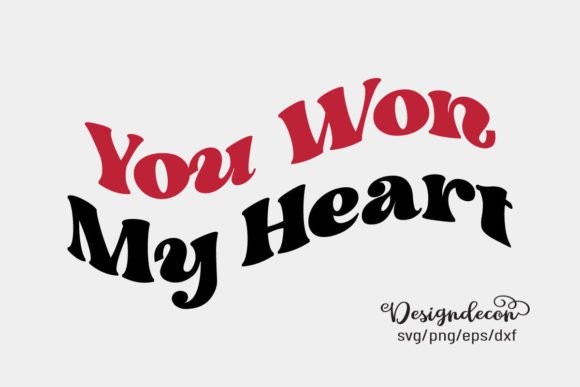
The mood of this design is unmistakably nostalgic. It captures that seventies-inspired, groovy vibe that appeals to a wide demographic, from young adults looking for trendy apparel to older customers who appreciate the throwback style. The layout features fluid, undulating lines that give the text a sense of movement. For an embroidery project, this is both a blessing and a challenge. The visual personality is playful and warm, making it an ideal candidate for Valentine’s Day collections, anniversary gifts, or simply adding a touch of whimsy to everyday items.
What stands out immediately is the balance between boldness and intricacy. The letters are thick enough to hold a solid fill stitch without becoming a dense puckering mess, yet the wavy nature requires careful attention to direction. If you are selling this as part of your craft business assets, it offers a distinct look that separates your products from the standard, blocky fonts often found in basic machine embroidery libraries.
Real-World Application: The Tote Bag Test
To truly evaluate a design, you have to imagine it on a product. I visualized this quote stitched onto a natural canvas tote bag. This is a popular item for Etsy sellers and small shop owners because it is versatile and easy to produce. On a sturdy cotton canvas, the You Won My Heart Retro Wavy Groovy SVG would shine. The texture of the fabric provides a neutral background that allows the thread colors to pop.
I imagined using a contrasting thread color, perhaps a deep mustard yellow or a vibrant coral against the natural beige fabric. The wavy lines would follow the grain of the tote nicely, creating a dynamic focal point. For a personalized gift, this design works exceptionally well because it feels custom and thoughtful without being overly complex. It suggests effort and style, which increases the perceived value of the finished product. Whether it is for a boutique branding exercise or a holiday gift, the design carries enough weight to stand alone without needing additional decorative elements like flowers or hearts.
Apparel and Wearable Crafts
Moving beyond accessories, let us consider custom apparel. Sweatshirt embroidery is a huge market right now. Placing this design on the left chest of a crewneck sweatshirt creates a subtle, stylish statement. However, you must be mindful of the fabric texture. Fleece and heavy cotton blends can distort fine details. Since this design relies on smooth curves, using a proper stabilizer is non-negotiable. A cut-away stabilizer would provide the necessary support to keep the wavy lines crisp and prevent the fabric from pulling or puckering around the stitches.
For baby embroidery, such as on a onesie or a soft blanket, the design might need to be scaled down. Here lies a potential pitfall. If you shrink the file too much, the internal spaces of the letters could close up, and the wavy details might become indistinct blobs of thread. Always test the design on scrap fabric at your intended size before committing to the final garment. This is crucial for maintaining professionalism and ensuring customer trust.
Navigating Technical Challenges
While the You Won My Heart Retro Wavy Groovy SVG is visually appealing, it demands respect from the operator. The primary concern with any wavy or script-style design is stitch density. If the original vector file has not been optimized for embroidery, the software might generate excessive satin stitches along the curves. This can lead to thread breaks or needle deflection, especially on stretchy fabrics like jersey knits used in t-shirts.
When working with this type of graphics file, remember that it includes formats like EPS, SVG, DXF, and PNG. As an embroidery designer, you will likely need to convert or trace these vectors into your digitizing software if a native embroidery file format is not provided. Check the license terms carefully. The description notes it is a sublimation SVG download, which implies it is primarily designed for printing. Using it for embroidery requires you to ensure you have the rights to create derivative works or stitched products for commercial sale. Never assume a graphic license covers physical embroidery sales without verification.
Another critical area is curved surfaces, such as caps. Embroidering on a structured cap requires a different approach than flat hooping. The wavy nature of the text might distort further if the hoop tension is not perfectly balanced. For caps, I would recommend simplifying the design or ensuring the stitch angle follows the curve of the hat to maintain readability. Dark fabrics also present a challenge; if you choose light thread colors, ensure your underlay stitches are sufficient to prevent the dark fabric from showing through the top stitches, which can ruin the clean look of the retro style.
Enhancing Product Value and Brand Consistency
From a business perspective, consistency is key. If your brand focuses on retro or vintage-inspired handmade products, this design fits seamlessly into your lineup. It enhances brand recognition because it adheres to a specific aesthetic niche. Customers who buy one item with this style are likely to return for more, trusting that your future offerings will match the quality and vibe they initially loved.
Moreover, the ease of color change mentioned in the product details is a significant advantage for small business owners. You can offer this design in multiple colorways to match seasonal trends or specific customer requests without redesigning the entire piece. This flexibility allows for greater creativity in your printable mockups and digital product previews, helping you attract more buyers on platforms like Etsy.
Practical Designer Notes
Before you launch this design into your production line, keep these practical tips in mind:
- Test on Scrap Fabric: Always run a test stitch-out on the same type of fabric you plan to use for the final product. This reveals issues with tension, density, and registration.
- Check Thread Contrast: Ensure your thread colors contrast sufficiently with the fabric. Low contrast can make the wavy details disappear, reducing the impact of the design.
- Review Stitch Density: If you are digitizing this yourself from the SVG, pay close attention to the stitch density. Too dense, and it becomes stiff; too sparse, and the fabric shows through.
- Confirm Hoop Size: Make sure the design fits comfortably within your hoop size with adequate margins. Crowding the edges can lead to hoop burns or incomplete stitching.
- Inspect Small Details: Zoom in on the vector file to check for any tiny anchor points or nodes that might cause unnecessary jumps or trims in the embroidery process.
- Verify Licensing: Double-check the commercial use rights. Since this is listed as a graphics and crafts asset, ensure you are compliant with the creator's terms for selling physical embroidered items.
In conclusion, the You Won My Heart Retro Wavy Groovy SVG is a strong contender for designers looking to add a trendy, retro flair to their portfolio. It requires careful handling regarding stitch density and fabric choice, but with proper preparation, it can elevate simple items like tote bags and sweatshirts into desirable, high-value handmade products. By respecting the technical demands of the design and understanding its visual appeal, you can create finished products that resonate with customers and strengthen your brand identity.