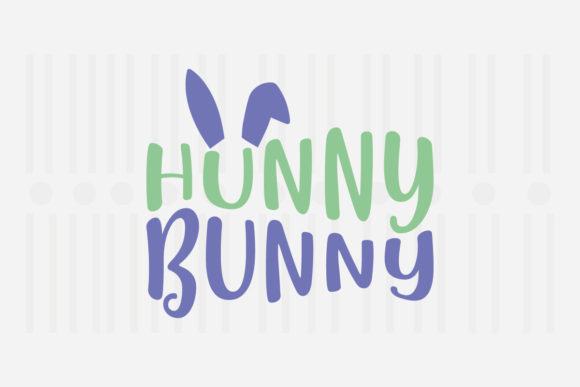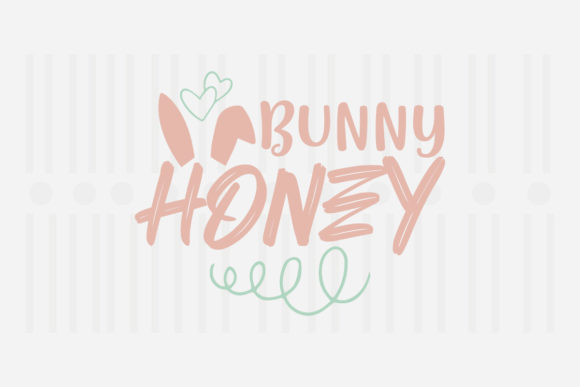
Review: Bunny Honey Easter SVG for Embroidery
As a designer who has spent years translating digital vectors into thread, I approach every new Bunny Honey,Easter SVG with a critical eye. It is not enough for a design to look cute on a screen; it must survive the mechanical realities of an embroidery machine. When I first opened this file, my immediate impression was one of playful simplicity. The theme is unmistakably spring-focused, evoking warmth and nostalgia. However, the true test lies in how these lines translate when a needle pierces fabric at high speed. This review breaks down the practical application of this graphic for real-world projects, from boutique apparel to handmade gifts.
First Impressions and Design Personality
The Bunny Honey,Easter SVG carries a mood that is both whimsical and clean. In the world of Crafts and Graphics, clarity is king. A cluttered design often results in a muddy finished product, especially when working with smaller hoop sizes. This design appears to strike a balance between detail and openness. The layout suggests a central focal point, likely the bunny motif, paired with typography that complements rather than competes. For an embroidery designer, this spacing is crucial. It allows the thread to breathe, preventing the dreaded "bird's nest" effect where stitches overlap excessively and cause puckering.
The visual personality here is soft and inviting. It does not scream for attention with aggressive lines but rather invites a closer look. This makes it an ideal candidate for products where subtlety is valued, such as baby items or high-end home decor. The ease of color change mentioned in the product description is a significant advantage. Being able to swap out 100 colors means you can adapt the design to match specific brand palettes or seasonal trends without altering the core structure of the artwork.
Real-World Application: The Custom Tote Bag Scenario
To truly evaluate this asset, I imagined a specific client project: a set of custom embroidered tote bags for a local spring market. The goal was to create a handmade product that felt premium yet accessible. I selected a heavy-weight canvas fabric, which is forgiving for embroidery but requires precise digitizing if the original file is not optimized for stitch types.
Using the Bunny Honey,Easter SVG, I envisioned placing the design centrally on the bag. The open spaces in the design would allow the texture of the canvas to show through, adding depth to the finished product. If the design relies heavily on fill stitch areas, the canvas provides a stable base. However, if it utilizes more running stitch or outline work, the texture of the fabric becomes part of the aesthetic. In this scenario, the design’s simplicity works in its favor. It avoids the density that might make a large tote bag feel stiff or heavy in the center.
For Etsy sellers and small shop owners, this versatility is key. You are not limited to one type of garment. This same design could easily transition to a sweatshirt embroidery project, where the softness of the fleece complements the gentle curves of the bunny motif. The ability to create a printable mockup quickly using the included source files allows for rapid prototyping of marketing materials, giving customers a clear idea of what the final item will look like.
Navigating Fabric and Hoop Constraints
While the design is versatile, there are contexts where caution is required. Embroidery is unforgiving on certain surfaces. If you plan to use this on a cap or a curved surface, you must consider the distortion that occurs during stitching. The hoop size must be appropriate to keep the fabric taut. For a design like Bunny Honey,Easter SVG, which likely features some rounded elements, a standard cap frame should work, but testing on scrap fabric is non-negotiable.
Textured fabrics present another challenge. On a thick towel or a fuzzy blanket, fine details can get lost. If the design includes small text or intricate inner details, they may merge together on high-pile fabrics. In such cases, increasing the stitch density slightly or choosing a contrasting thread color can help maintain visibility. Conversely, on thin, stretchy fabrics like jersey knits used for baby embroidery or t-shirts, the lack of stability can cause shifting. Here, a high-quality cut-away stabilizer is essential to support the stitches and prevent the garment from warping after washing.
Dark fabrics require special attention to color contrast. Since the file allows for easy color changes, you can adjust the thread palette to ensure the bunny stands out against navy or black backgrounds. A common mistake is using dark threads on dark fabrics, which renders the design invisible. Always test your thread colors in natural light to gauge the true visual impact.
Commercial Viability and Brand Consistency
For those running a craft business, the professionalism of the final output directly impacts customer trust. A clean, well-executed embroidery job signals quality. The Bunny Honey,Easter SVG offers a consistent look that can help build brand recognition. If you are selling personalized gifts or holiday embroidery items, consistency in style helps customers identify your work. The included EPS and SVG files are standard in the industry, making them compatible with most design software used to prepare files for embroidery machines.
However, it is vital to distinguish between the graphic file and the actual machine embroidery design. The product description lists SVG and EPS formats, which are vector graphics. These are excellent for printing on mugs or posters, as noted in the description. But for embroidery, these vectors usually need to be digitized—converted into stitch files—unless the seller also provides native embroidery formats like PES or DST. If only graphic files are included, you must have the skill or software to convert them into a proper embroidery file. This step involves defining stitch types, such as satin stitch for borders and fill stitch for larger areas, and setting underlay stitches to secure the fabric.
Practical Designer Notes
Before committing to a full production run, follow these steps to ensure success with Bunny Honey,Easter SVG:
- Test on Scrap Fabric: Always stitch out a sample on the same material you intend to use for the final product. This reveals any tension issues or registration errors.
- Check Stitch Density: If you are digitizing from the SVG, ensure the density is appropriate for the fabric. Too dense, and the fabric puckers; too sparse, and the backing shows through.
- Verify Licensing: Confirm whether the license allows for commercial use of the finished embroidered items. Most graphic licenses differ from embroidery machine file licenses.
- Contrast Testing: View the design in black and white to check for value contrast. This helps ensure the design is readable even from a distance.
- Stabilizer Selection: Match your stabilizer to the fabric weight. Use tear-away for stable woven fabrics and cut-away for stretchy knits.
In conclusion, the Bunny Honey,Easter SVG is a promising asset for designers who understand the bridge between digital art and textile craft. Its strength lies in its adaptability and clean aesthetic. Whether you are creating a tote bag design for a spring fair or a custom apparel piece for a boutique, this graphic provides a solid foundation. Just remember that the file is the starting point, not the finish line. Proper preparation, thoughtful material selection, and careful stitching are what transform a simple SVG into a cherished embroidered patch or garment. By respecting the technical requirements of embroidery, you can leverage this design to create high-value, visually appealing products that resonate with customers.