Reviewing Uncle Bunny Easter SVG for Embroidery
As a designer who has spent countless hours digitizing and stitching out holiday motifs, I approach every new Graphics asset with a critical eye. We are not just looking for cute shapes; we are looking for structural integrity, stitchability, and commercial viability. Recently, I evaluated the Uncle Bunny, Easter SVG to determine if it holds up under the needle of a real-world embroidery project. This is not just a digital download; it is a potential revenue stream for your craft business, provided it translates well from screen to fabric.
First Impressions and Design Personality
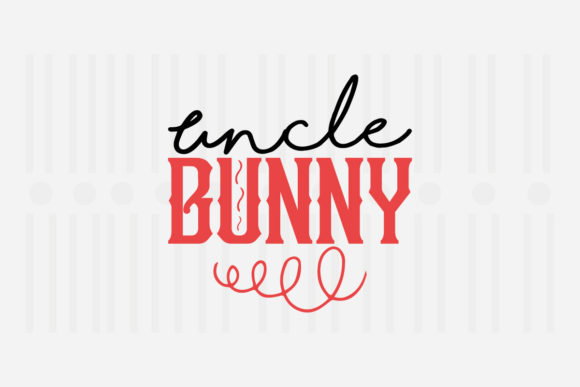
The first thing that strikes you about the Uncle Bunny, Easter SVG is its playful yet clean aesthetic. In the world of Crafts, especially during the high-pressure Easter season, designs often fall into two traps: they are either overly complex with too many tiny details that cause thread breaks, or they are so simplistic that they lack character. This design manages to strike a balance. The silhouette suggests a whimsical personality, likely featuring bold lines and open spaces that are friendly to various stitch types.
When I opened the source files, included as both EPS and SVG at 300dpi, I looked immediately at the path complexity. For an embroidery designer, clean vectors are non-negotiable. Jagged edges in an SVG translate to erratic needle jumps and poor satin stitch coverage. The Uncle Bunny, Easter SVG appears to have smooth curves, which is a promising sign for achieving that professional, polished look on finished products. The mood is lighthearted, making it an ideal candidate for spring-themed collections.
Real-World Application: The Tote Bag Test
To truly understand how a design performs, you must visualize it on a specific product. I imagined using this design for a custom embroidered tote bag, a staple item for any Etsy seller or small shop owner. Tote bags are typically made from canvas or heavy cotton, fabrics that can handle moderate stitch density without puckering.
In this scenario, the Uncle Bunny, Easter SVG would likely be scaled to fit a 5x7 or 6x10 hoop. Because the design allows for easy color changes, I could envision swapping traditional pastels for a modern, muted palette to appeal to a broader demographic. The "Ready to print" nature of the file means the outlines are crisp, but for embroidery, we must consider how those lines convert to stitches. If the design relies heavily on thin lines, a running stitch might get lost in the texture of the canvas. However, if the bunny shape is solid, a fill stitch would provide excellent coverage and durability, ensuring the design survives frequent washing.
Versatility Across Product Lines
Beyond tote bags, this graphic has significant potential in other areas of custom apparel and home decor. Consider sweatshirt embroidery. Here, the fabric is thicker and has more nap. A design with too much fine detail can disappear into the fleece. The Uncle Bunny, Easter SVG, with its presumably bold structure, would stand out well against a heather grey or navy sweatshirt. It creates a focal point that feels intentional rather than cluttered.
For baby items, such as onesies or burp cloths, the softness of the stitch is paramount. If the design includes dense areas, using a soft rayon thread and a high-quality cut-away stabilizer is essential to prevent irritation against sensitive skin. The ability to change colors easily means you can adapt the design for gender-neutral palettes, expanding your market reach as a handmade product creator.
Technical Considerations for Stitching
While the visual appeal is strong, we must address the technical realities of turning a vector graphic into a machine embroidery design. The product description notes that the file is an SVG and EPS. It is crucial to remember that these are cut files or print graphics, not native embroidery formats like DST or PES. As an experienced reviewer, I must advise that you will need to digitize this SVG or use auto-digitizing software with caution.
Auto-digitizing often fails to account for pull compensation and stitch direction. When working with the Uncle Bunny, Easter SVG, pay close attention to the following:
- Stitch Density: Ensure the fill areas are not too dense, which can cause the fabric to pucker or the needle to break.
- Satin Stitch Borders: If the design has outlines, convert them to satin stitches with appropriate width to ensure they lay flat and do not gap.
- Small Details: Check for any tiny elements that might be smaller than your needle’s eye. These should be removed or merged to avoid thread nests.
- Underlay: Proper underlay stitching is critical for stability, especially on stretchy fabrics like t-shirts.
Navigating Fabric and Hoop Constraints
Not every surface is created equal. While this design may look perfect on a flat pillow cover, applying it to curved surfaces like caps requires careful planning. The curvature of a cap distorts the image, so you may need to adjust the aspect ratio slightly during the digitizing phase. Additionally, textured fabrics like terry cloth towels can swallow up fine details. In such cases, increasing the stitch count slightly or using a contrasting backing stabilizer can help the design pop.
Dark fabrics present another challenge. If you are stitching the Uncle Bunny, Easter SVG on black denim, you must ensure high contrast in your thread colors. A pastel bunny on dark fabric needs a solid underlay or a border to prevent the background from showing through the stitches. Always test your thread color combinations on scrap fabric before committing to the final product. This step saves time, money, and reputation.
Commercial Value and Brand Consistency
For commercial embroidery projects, consistency is key. Your customers buy from you because they trust your quality. Using a well-structured design like Uncle Bunny, Easter SVG helps maintain that trust. When the stitching is clean, the colors are vibrant, and the design is centered perfectly, it elevates the perceived value of the item. This is particularly important for holiday embroidery, where gifts are often judged by their presentation.
As an Etsy seller or boutique owner, you can leverage this design across multiple product lines. Create a cohesive collection featuring the bunny on aprons, kitchen towels, and nursery decor. Use printable mockups to showcase these variations online before you even stitch a single thread. This allows you to gauge customer interest and optimize your inventory. Remember, while the file is ready for print and color changes, always verify the licensing terms for commercial use. Most designers allow you to sell physical finished products, but reselling the digital file itself is usually prohibited.
Final Verdict for the Maker
The Uncle Bunny, Easter SVG is a versatile asset for your design toolkit. It offers the flexibility needed for modern craft businesses, allowing for easy customization and adaptation across various mediums. However, its success depends entirely on your execution. Do not skip the test stitch. Do not ignore the stabilizer. Treat the SVG as a blueprint, not the final building.
By paying attention to stitch density, thread choice, and fabric texture, you can transform this simple graphic into a high-quality embroidered patch, a best-selling sweatshirt, or a cherished personalized gift. It is a solid choice for those looking to add a touch of whimsy to their spring collection, provided you apply the rigorous standards of professional embroidery practice. Keep your hoops clean, your needles sharp, and your creativity flowing.