Reviewing Bunny Babe Easter SVG for Embroidery Projects
As a designer who has spent countless hours digitizing and stitching out files for clients, I approach every new machine embroidery design with a mix of excitement and skepticism. We all know the feeling: you find a cute graphic online, but will it actually translate well to thread? Will it look professional on a finished product, or will it turn into a tangled mess of jumps and loose threads? Recently, I took a close look at the Bunny Babe,Easter SVG to evaluate its potential for real-world craft business applications.
This isn’t just about whether the image is cute—though it certainly fits the seasonal vibe—it’s about functionality. For Etsy sellers, small shop owners, and hobbyists, the difference between a bestseller and a return often comes down to how well a digital asset performs under the needle. Here is my practical assessment of this file from the perspective of someone who stitches for a living.
First Impressions and Visual Personality
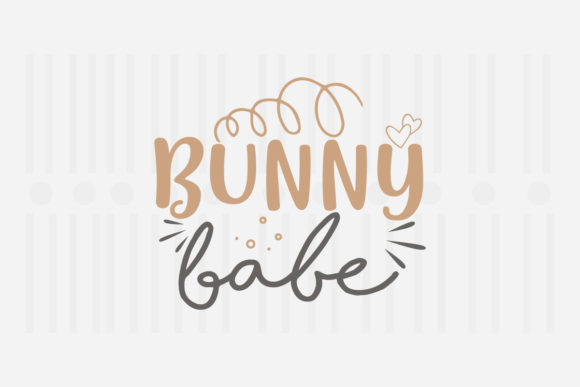
The first thing that strikes me about the Bunny Babe,Easter SVG is its clean, modern aesthetic. In the world of Graphics and Crafts, simplicity is often king, especially when dealing with holiday themes that can easily become cluttered. The layout suggests a playful yet polished mood, which is exactly what customers are looking for in spring-themed items. It doesn’t scream "cheap clipart"; instead, it has a curated feel that lends itself well to boutique branding.
When I visualize this design on a product, I don’t see it getting lost in noise. The shapes appear distinct, which is crucial for embroidery. Complex gradients and tiny details often fail in thread, but this design seems to rely on strong silhouettes and clear lines. This visual clarity is vital for maintaining professionalism in your handmade product lineup. Whether you are creating a personalized gift for a neighbor or stocking up for a craft fair, the design needs to be recognizable from a few feet away.
Real-World Application Scenarios
Let’s talk about where this design actually shines. I recently worked on a batch of custom canvas tote bags for a local boutique, and I immediately thought of how well this bunny motif would work there. Because the file is provided as an SVG and EPS, it offers flexibility. While these are vector formats typically used for cutting or printing, they serve as excellent references for digitizing or for use in hybrid projects.
For custom apparel, imagine this stitched onto the left chest of a high-quality sweatshirt. The playful nature of the bunny balances the casual comfort of the garment. It would also perform beautifully as a large back print on a toddler’s tee, serving as a standout baby embroidery piece for spring collections. Beyond clothing, consider home goods. A tote bag design featuring this bunny could be a huge hit for Easter baskets, or it could be appliquéd onto a kitchen towel for a charming holiday embroidery accent.
The description notes that the design is "100 Color Changeable." This is a significant advantage for a craft business. It means you aren’t locked into one palette. You can adapt the thread colors to match specific brand identities or seasonal trends. Pastel pinks and mint greens work for traditional Easter vibes, while bold neons could modernize the look for a younger demographic. This versatility increases the lifespan of the design assets in your library.
Technical Considerations for Stitching
Here is where we need to be realistic. The product description lists SVG and EPS files at 300dpi. It is important to clarify that these are not native embroidery file formats like PES or DST. If you are using an embroidery machine, you cannot simply load an SVG directly into most standard home machines without conversion software or a digitizing step. This is a critical distinction for buyers.
If you are digitizing this yourself, pay close attention to stitch density. The open areas in the bunny’s shape might require a fill stitch, while the outlines could benefit from a satin stitch or running stitch depending on the size. Always test the design on scrap fabric first. Check how the curves handle; sharp corners in vector graphics can sometimes cause thread breaks if not properly smoothed out during digitizing.
Consider the hoop size you plan to use. If you are scaling this down for a small patch or a cap, ensure that the details remain legible. Tiny elements can get lost in the texture of the fabric. Conversely, if you scale it up for a pillow cover, you must manage the stitch count to prevent puckering. Using the right stabilizer is non-negotiable here. For stretchy fabrics like t-shirts, a cut-away stabilizer will provide the necessary support to keep the design crisp after washing.
Fabric and Placement Strategy
Not all fabrics behave the same way. This design would look stunning on a smooth cotton twill or a dense fleece. However, be cautious with textured fabrics like terry cloth or loosely woven linen. The intricate parts of the bunny might sink into the pile or distort. For dark fabrics, remember that you may need an underlay stitch to prevent the background color from showing through the lighter threads of the design.
Placement matters too. On a curved surface like a cap, centering the design is tricky. You might need to adjust the orientation slightly to account for the curvature. For flat items like aprons or poster prints, the symmetry of the design works in your favor. Always create a printable mockup before committing to production. Seeing the design in black and white can help you identify contrast issues that color might hide.
Commercial Viability and Brand Trust
For Etsy sellers and commercial embroiderers, the quality of your source files reflects on your brand. Using a well-structured SVG like this allows for consistent output across different products. When a customer receives a finished product that looks clean and professional, it builds trust. They are more likely to return for future custom apparel or gifts.
However, always verify the licensing terms. Just because a file is labeled "commercial use" in some contexts doesn’t mean it applies to every platform. Ensure you have the right to sell items made with this design. Transparency with your customers about the handmade nature of your work enhances the perceived value. A well-executed embroidered patch or a neatly stitched mug wrap tells a story of care and expertise.
Final Verdict for Designers
The Bunny Babe,Easter SVG is a solid addition to your digital toolkit, provided you understand its format limitations. It is not a plug-and-play embroidery file, but rather a high-quality graphic resource that requires proper preparation. For designers who know how to digitize or use hybrid techniques, it offers great creative freedom. The ability to change colors easily means you can keep your inventory fresh without buying new designs every season.
Before you start stitching, do your homework. Test on similar fabrics, check your tension, and confirm your file compatibility. If you treat this asset with the respect it deserves, it can elevate your small shop product line and bring a touch of joyful professionalism to your embroidery project workflow. Happy stitching!