Joyous Kwanzaa Retro Wavy SVG: A Designer’s Review
As an embroidery designer who spends half my life digitizing and the other half stitching, I have learned to look past the glossy thumbnail images. When I first encountered the Joyous Kwanzaa Retro Wavy Svg, my initial reaction was one of cautious optimism. The retro aesthetic is undeniably trendy, but translating flat, wavy vector graphics into a tactile machine embroidery design requires careful consideration of stitch direction, density, and fabric behavior. This review breaks down how this specific graphic performs when moved from the screen to the needle, focusing on real-world application for crafters and small business owners.
First Impressions and Visual Mood
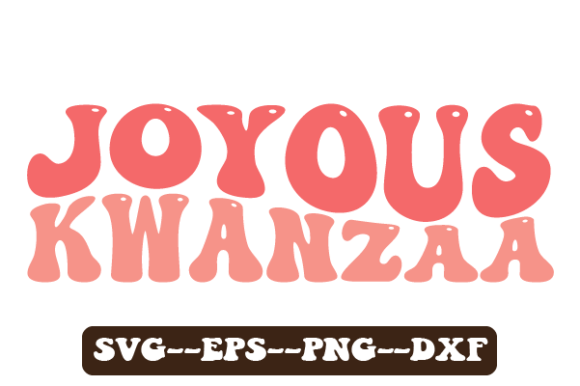
The design carries a distinct mid-century modern vibe, characterized by its flowing, organic lines and bold thematic elements. For those creating holiday embroidery pieces, this style offers a refreshing departure from traditional, rigid motifs. The "wavy" aspect suggests movement and joy, which aligns perfectly with the celebratory spirit of Kwanzaa. However, as a reviewer, I immediately noted that the complexity of these curves could pose challenges if not properly managed during the digitizing or conversion process. Since the product description lists it as a sublimation design available in DXF, EPS, and SVG formats, it is crucial to understand that this is primarily a Graphics asset intended for print or cut applications, rather than a pre-digitized embroidery file.
For embroidery purposes, this means you will likely need to convert the SVG into a stitch file using your preferred software. The clean lines of the vector make it an excellent candidate for conversion, but the responsibility for stitch placement falls on you. The visual personality is warm and inviting, making it ideal for products that aim to evoke comfort and cultural pride.
Real-World Application Scenarios
To test the viability of this design, I imagined a specific project: a custom embroidered tote bag for a local boutique specializing in culturally significant home goods. Tote bags are a staple for any Etsy seller or craft business owner because they offer a large, flat canvas. The Joyous Kwanzaa Retro Wavy Svg would shine here, provided the conversion maintains the integrity of the waves. If stitched correctly, the design could serve as a striking centerpiece on a heavy cotton canvas, appealing to customers looking for meaningful personalized gifts.
Beyond totes, consider sweatshirt embroidery. The retro theme pairs beautifully with the cozy texture of fleece or French terry. Imagine this design placed on the upper left chest or as a larger back piece. The wavy lines can follow the natural drape of the garment, enhancing the visual flow. For baby embroidery projects, such as a soft blanket or onesie, the design might need simplification. Babies require softer touches, so reducing the stitch density and ensuring no harsh edges remain is vital for comfort and safety.
Considerations for Different Fabrics
Not all fabrics behave the same way under the needle. When working with textured fabrics like towels or denim, the fine details of the wavy lines might get lost if the stitches are too small. In contrast, on smooth fabrics like poplin or high-quality cotton blends, the design will appear crisp and defined. If you are attempting cap embroidery, be mindful of the curved surface. The wavy nature of the design can actually help mask minor distortions caused by the cap’s curvature, but you must ensure the hoop size is appropriate to prevent puckering.
For dark fabrics, thread color contrast becomes critical. The original sublimation design likely uses vibrant colors, but in embroidery, you must choose threads that pop against the background. A metallic gold or bright red thread on a black fabric could create a stunning effect, emphasizing the retro flair. Always test your thread choices on scrap fabric before committing to the final finished product.
Technical Challenges and Solutions
Since the Joyous Kwanzaa Retro Wavy Svg is provided as a vector graphic (SVG, EPS, DXF) rather than a native embroidery format, there are technical steps to address. First, verify the scale. Vector files can be resized infinitely, but embroidery has physical limits based on your hoop size and machine capabilities. Ensure the design fits within your largest hoop if you plan to use it as a main focal point.
Second, consider the stitch types. To replicate the smooth waves, a combination of satin stitches for thinner lines and fill stitches for broader areas may be necessary. However, excessive fill stitches can lead to stiffness, which is undesirable for wearable custom apparel. Using running stitches for outlines can add definition without adding bulk. Always check the stitch density in your digitizing software. High density can cause fabric distortion, especially on lighter materials.
Stabilizer choice is non-negotiable. For stretchy fabrics like t-shirts, a cut-away stabilizer is recommended to provide long-term support. For woven fabrics like pillow covers or aprons, a tear-away stabilizer may suffice. Neglecting this step can result in a warped handmade product that looks unprofessional and fails to meet customer expectations.
Commercial Viability and Brand Consistency
For small shop products and digital product sellers, the appeal of this design lies in its versatility. It can be used for various design assets, from printable mockups to actual stitched goods. However, clarity on licensing is essential. While the product description mentions use for sublimation on mugs, pillows, and t-shirts, using it for commercial embroidery requires confirming that the license extends to stitched goods. Many vector licenses are clear about print-on-demand but vague on embroidery. Always read the terms carefully to avoid legal issues.
From a branding perspective, incorporating this design into your holiday collection can enhance brand consistency if your aesthetic leans towards retro or modern traditional styles. It signals to buyers that you are current with design trends while respecting cultural themes. This can boost buyer engagement and trust, as customers appreciate thoughtful, well-executed designs over generic clipart.
Final Verdict and Practical Tips
The Joyous Kwanzaa Retro Wavy Svg is a strong contender for your holiday embroidery project lineup, provided you approach it with a designer’s eye. It is not a plug-and-play embroidery file, but rather a high-quality graphic that serves as an excellent foundation for customization.
- Test on Scraps: Always stitch a test sample on the same fabric type you intend to use for the final product.
- Check Contrast: Use black and white mockups to ensure the design remains legible without color reliance.
- Verify Licensing: Confirm that the license allows for commercial use of embroidered items, not just printed ones.
- Adjust Density: Lower stitch density for stretchy fabrics to maintain softness and prevent puckering.
- Choose Quality Threads: High-sheen rayon or polyester threads can enhance the retro vibe and improve visual appeal.
In conclusion, this design offers significant potential for commercial embroidery and handmade product creation. By understanding its origins as a vector graphic and applying proper digitizing techniques, you can transform the Joyous Kwanzaa Retro Wavy Svg into a standout piece that resonates with customers and elevates your craft business. Whether you are creating a unique embroidered patch, a festive tote bag design, or a cozy pillow cover, this graphic provides the stylistic backbone needed for a successful holiday collection.