Review: Toddler Valentines Retro Groovy SVG for Embroidery
As a designer who spends half my life digitizing and the other half stitching, I have learned that not every cute graphic translates well to thread. When I first pulled up the Toddler Valentines Retro Groovy SVG, my initial reaction was one of cautious optimism. The retro aesthetic is having a massive moment in the Crafts industry, but translating those smooth, vector-based curves into a tactile machine embroidery design requires careful consideration. This isn’t just about downloading a file; it is about understanding how those groovy lines will behave under the needle.
First Impressions and Visual Personality
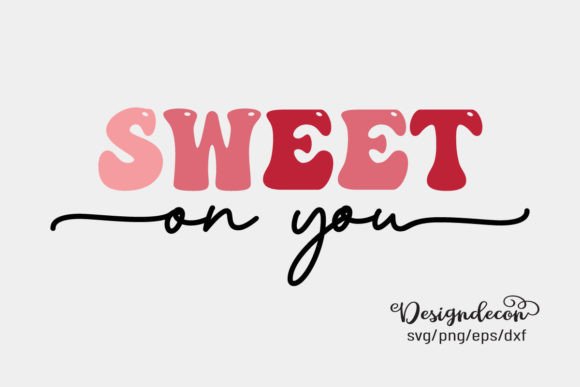
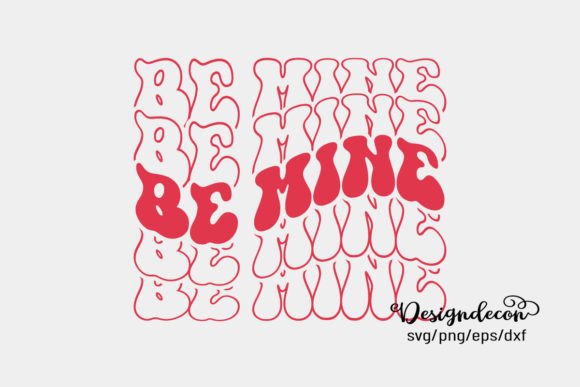
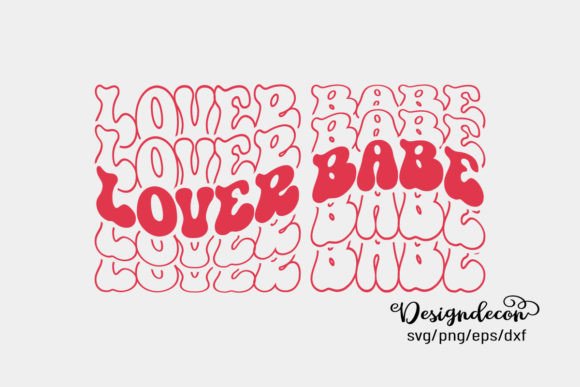
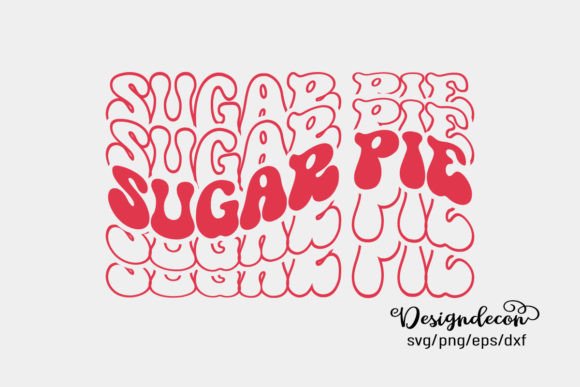
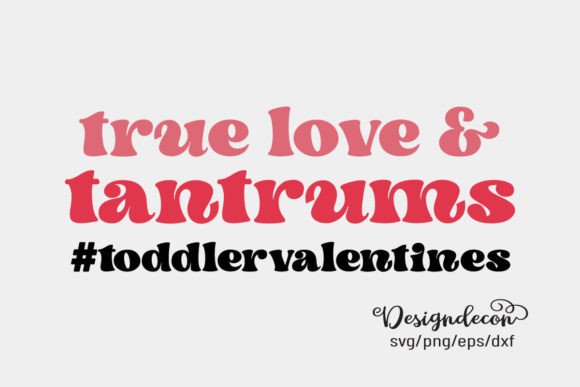
The mood this design creates is instantly nostalgic and warm. It captures that specific seventies vibe—rounded fonts, bubbly shapes, and a sense of playful love that feels genuine rather than manufactured. For an embroidery project, this visual personality is a double-edged sword. The thick, bold lines typical of retro graphics are excellent for visibility, but they can become dense if not managed correctly. Looking at the layout, the design relies heavily on solid shapes and clear typography. This suggests that when converted or used as a base for digitizing, it will likely require a mix of satin stitch for the borders and text, and potentially fill stitch for larger background elements if you choose to color them in.
The clarity of the shape is its strongest asset. In a world of overly complex digital art, this design’s simplicity is a breath of fresh air. It does not try to do too much, which makes it ideal for small-scale applications where detail often gets lost. However, because it is provided as an SVG and vector file, the responsibility falls on you, the maker, to ensure the stitch path respects the original intent without creating unnecessary bulk.
Real-World Application: The Custom Sweatshirt Test
To truly evaluate this asset, I imagined a real-life scenario: preparing a custom order for a boutique client wanting matching family Valentine’s outfits. The request was for toddler-sized sweatshirts with a cute, non-cliché message. This is where Toddler Valentines Retro Groovy SVG shines. Unlike intricate lace patterns or photorealistic images, this graphic holds up beautifully on the textured surface of fleece or cotton blends.
When placing this design on a sweatshirt, the retro curves complement the soft, casual nature of the garment. I visualized using a contrasting thread colors palette—perhaps a mustard yellow or teal against a heather grey fabric—to make the groovy elements pop. The design’s inherent charm adds significant value to the handmade product. Customers are not just buying a shirt; they are buying a feeling of nostalgia and personalized care. For an Etsy seller or small shop owner, this type of design drives engagement because it is instantly recognizable and highly shareable on social media.
Navigating Technical Challenges in Stitching
While the design is visually appealing, we must discuss where it requires caution. Since this is a vector-based Graphics file intended for sublimation or cutting, using it for embroidery means you are either digitizing it yourself or using it as a reference for an existing embroidery file. If you are digitizing, pay close attention to stitch density. Retro fonts often have wide strokes. If you fill these entirely with satin stitches without proper underlay, the thread may pull or pucker, especially on stretchy fabrics.
For smaller hoop sizes, such as a 4x4 inch hoop often used for baby items or patches, you must resize carefully. While the file is easy to resize, shrinking it too much can cause the smaller details of the lettering to merge. Always test the design on scrap fabric first. Check how the corners behave. Sharp angles in vector files need to be softened in embroidery to prevent thread breaks. Additionally, if you are working on dark fabric, ensure your digitizing includes a proper cover stitch or dense underlay to prevent the fabric color from showing through the lighter threads.
Fabric and Stabilizer Considerations
The success of this design heavily depends on your choice of stabilizer and fabric texture. For a tote bag or apron made of canvas, a cut-away stabilizer will provide the necessary support for the bold lines. However, for delicate baby clothes or thin t-shirts, you must be meticulous. A lightweight tear-away might not be enough for the denser parts of the retro lettering. I recommend using a medium-weight cut-away for any garment that will undergo frequent washing, as this maintains the integrity of the finished product over time.
Be wary of using this design on highly textured fabrics like thick wool or looped towels unless you simplify the stitch count. The groovy curves need a relatively smooth surface to look crisp. On uneven surfaces, the definition of the retro style can get lost, making the design look muddy rather than stylish.
Commercial Viability and Brand Consistency
For creative entrepreneurs, the versatility of this design is a major selling point. It fits seamlessly into a brand identity that values fun, retro, and family-oriented themes. Whether you are creating an embroidered patch for a jacket, a tote bag design for a market day, or a personalized gift for a new parent, this graphic adapts well. It enhances brand consistency by offering a cohesive look across different products.
However, always verify the licensing terms. The description notes it includes EPS, SVG, DXF, and PNG files, which are standard for cutting and printing. If you are selling physical embroidered items, ensure your license covers commercial use of the design in stitched form. Many designers assume vector licenses translate directly to embroidery rights, but this is not always the case. Confirm whether you need to digitize it yourself or if an embroidery-specific version is required for commercial sales.
Final Designer Notes
Before committing to a large batch of production, take these practical steps:
- Test on multiple fabrics: See how the design behaves on both knit and woven materials.
- Check contrast: Use black and white mockups to ensure the design reads clearly without color reliance.
- Verify hoop compatibility: Ensure the resized design fits within your machine’s maximum hoop area without distorting the aspect ratio.
- Inspect small details: Zoom in on the vector file to identify any tiny anchor points or nodes that might cause stitching issues.
- Consider thread sheen: Rayon threads can enhance the retro vibe with their shine, while polyester offers durability for kids' items.
In conclusion, Toddler Valentines Retro Groovy SVG is a strong candidate for your next holiday embroidery lineup. It balances trendiness with timeless appeal. By respecting the technical limitations of embroidery and paying attention to fabric choice and stabilization, you can transform this digital asset into a high-quality, profitable small shop product. It is not just a file; it is a tool for creating connection and joy through craft.